


Lucas took over a large citrus and nut operation from a manager who had run it for decades. The records looked sound. Every block showed 98% planted. Pretty good.
However, yields lagged behind projections, year after year. Walking in the orchards, Lucas saw a few gaps here and there, and the trees mostly looked healthy. Surely nothing big enough to skew the forecasts that much?
A drone census said otherwise. It found hundreds of small gaps scattered across the blocks. In the worst section, about 18% of tree positions were empty or held trees too weak to carry a commercial crop. Elsewhere the figure ran from 5% to 12%. No block had more than 95% of its positions holding a productive tree.
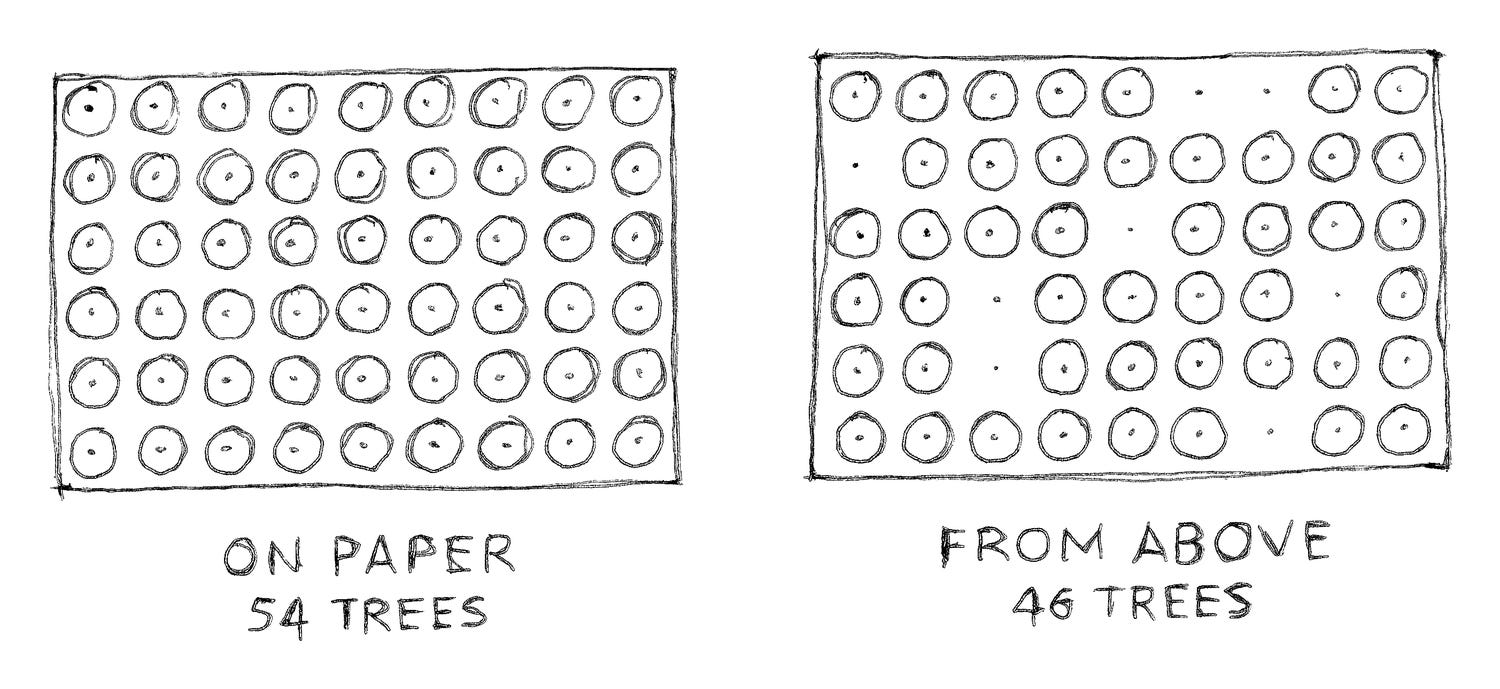
Years of disappointing returns suddenly made sense. The farm had been budgeted on hectares that weren’t producing.
What Lucas did next is the part that matters. He ordered exactly the number of replants the gaps needed, plus a few extras for trees he could see wouldn’t make another season. He set up a programme to look after the young trees. Once they were big enough to show up on the drone maps, a year or two after planting, he used canopy data from follow-up surveys to check they were catching up.
The first gain came straight away, and before a single replant had grown. With a true tree count (100% planted minus the small replants that were not yielding yet) his yield forecasts finally matched what the orchards could deliver, so the budget was built on real numbers.
The second gain took patience. Young trees take a few seasons to bear, and it was three seasons before the replants were well established and on track to start filling the gaps in production.
The tree count didn’t do that on its own. It was one part of his plan, alongside everything he already knew about the farm.
Yesterday, with Jaco’s faulty valve, I said I’d come back to two doubts I hear a lot. “I’m not technical.” “My farm is different.”
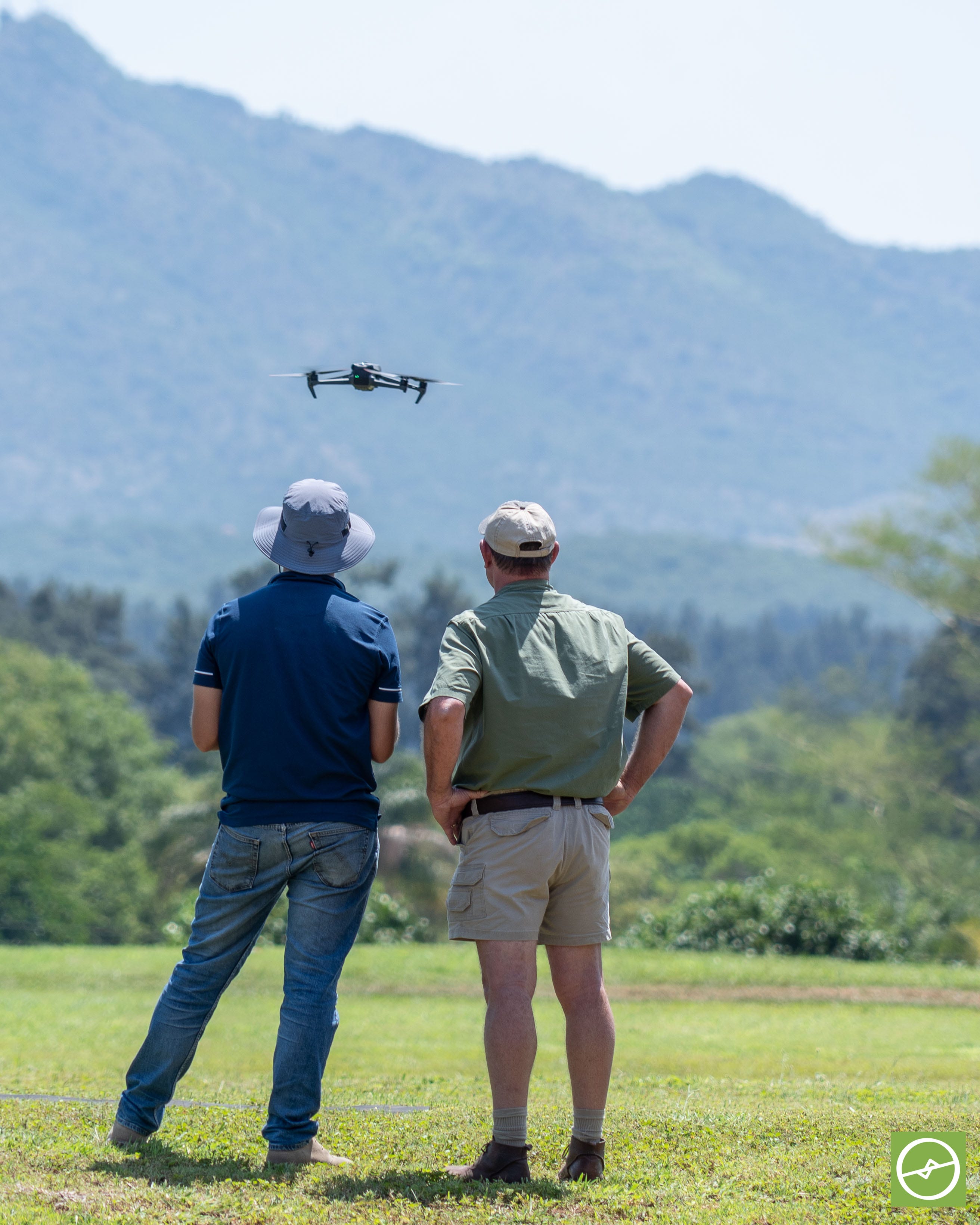
Notice what the drone did and didn't do. The software counted the trees. Lucas did the rest. He compared the count with his records and what he knew of his farm, and decided what to order and where. The decisions stayed with the person who knows the orchards best. The drone simply gave him better information to make them with. Reading it took the right questions, not a technical background.
And yes, your farm is different. Lucas grew citrus and nuts on a large operation. You might farm avocados on 20 hectares, or macadamias on 200, or 2000. The question is the same on every farm. Does what’s on paper match what’s in the ground?

Try it this week.
Pick your oldest block. Walk three rows and count the empty positions and/or the trees too weak to carry a crop. Then check what your records say for those same rows. If the two don’t match, a full count is probably worth doing.
Tomorrow I’ll open up Edition 2 of my book on drone data metrics itself. What’s inside, what’s new, and two things for the people who buy it in the launch week.
Edition 2 of Drone Data Metrics for Orchard Farming launches on Wednesday 25 November at 07:00 (South Africa time)!
Reply to this email or leave a comment with one answer: Does your farm’s tree count come from an actual count, or from the planting records?
The thinking starts here, but the real change starts when we take action.
Ken